King Crimson's Hyde Park 1969 performance was the concert that made the almost unknown band famous. When they walked on before the Rolling Stones on July 5, they had played their first public show less than three months earlier and their debut album did not yet exist in the shops. In front of them was a crowd estimated in the hundreds of thousands.
It was the kind of booking that could expose a new group before it was ready. Instead, it became the afternoon that announced King Crimson to Britain.
A debut album nobody could buy
The audience heard music that would soon appear on In the Court of the Crimson King, including the sound that made the band seem heavier and more ominous than many of its contemporaries. For most of the people in the park, there was no familiar single to wait for and no album to recognize. The performance had to make its case in real time.
The band did not behave like a cautious opening act. King Crimson overran its allotted slot, and the set ended with an air-raid siren operated by manager David Enthoven from beneath the stage. Against the scale of Hyde Park, the noise made a group with almost no public history feel like a fully formed event.
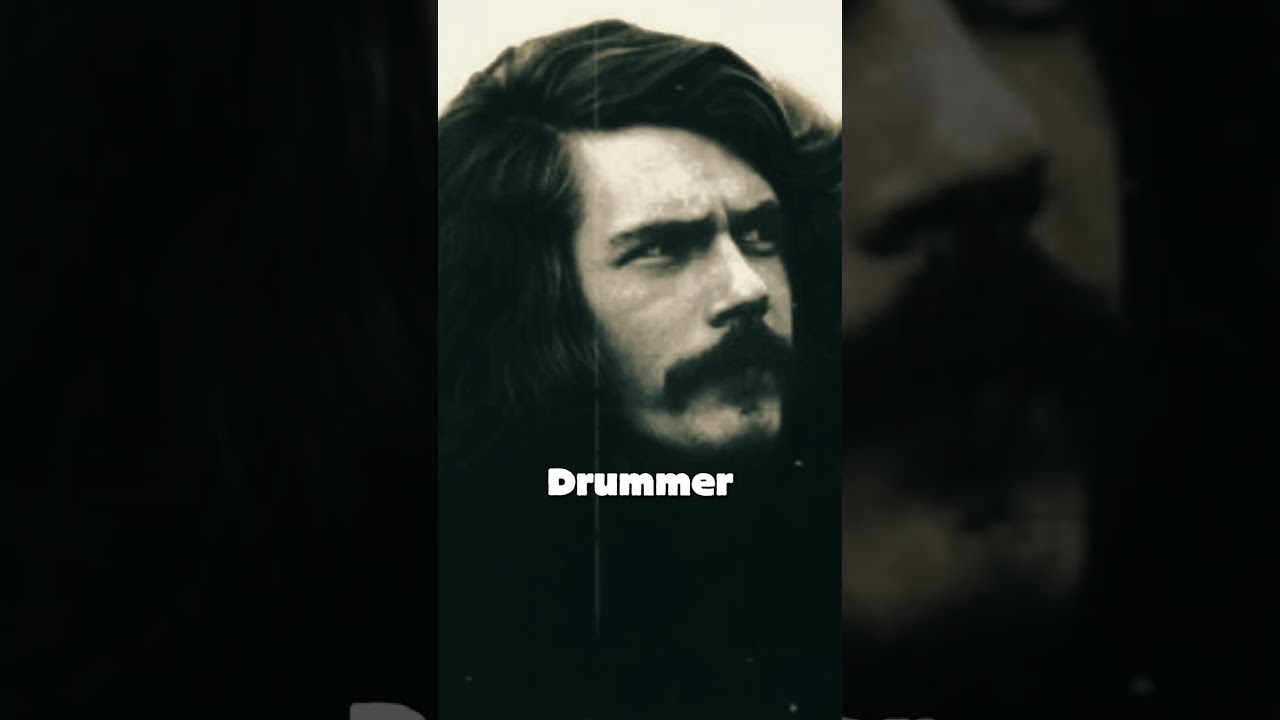
Drummer Michael Giles later remembered an odd measure of just how unknown they still were: the musicians could walk through the audience without being recognized.
What did King Crimson play at Hyde Park?
The surviving tape and later reconstructions point to a set built from music the band had been testing in clubs: “21st Century Schizoid Man,” “The Court of the Crimson King,” Donovan's “Get Thy Bearings,” “Epitaph,” the linked pieces “Mantra” and “Travel Weary Capricorn,” an improvisation, and a closing attack on “Mars” from Holst's The Planets. “I Talk to the Wind” is often listed too, although it is missing from the incomplete recording.
That uncertainty matters. This was not a modern festival preserved by several official feeds and an instant setlist upload. The available record is partial, so the most honest answer is a reconstructed set rather than a perfectly documented running order.
How many people were actually there?
Accounts commonly place the Hyde Park crowd somewhere between 250,000 and 500,000. Britain's National Archives uses the lower estimate; later eyewitness histories often give the full range. With a free audience spreading through a public park, no turnstile count could settle the question.
Either figure dwarfed King Crimson's previous experience. Giles described it more cautiously as the first time the band had played outdoors to tens of thousands. The precise total is unknowable, but the scale of the leap is not.
Who else played that day?
The Rolling Stones were the headliners, returning to a public stage with new guitarist Mick Taylor only two days after Brian Jones died. The concert became a memorial to Jones. The supporting bill also included Family, the Battered Ornaments, Third Ear Band, Roy Harper, Screw, and Alexis Korner's New Church.
That context made King Crimson one unfamiliar name in a long afternoon rather than the event's obvious center. Yet a report published immediately afterward singled them out as the day's “sensational” group while judging much of the other music indifferent. Later oral histories went further, remembering that they nearly stole the show.
The moment everything accelerated
That anonymity did not last. Robert Fripp later wrote that Hyde Park propelled King Crimson to national prominence, while the band's management regarded the day as its public launch. The next evening the group was back at the Marquee Club, but it returned with a reputation that had changed in a single afternoon.
The timing was remarkable. In the Court of the Crimson King would not be released until October. Before listeners could own the record that became a progressive-rock landmark, an enormous crowd had already heard its future arriving from the stage.
Hyde Park did not slowly introduce King Crimson. It compressed the usual rise of a new band into one afternoon: unknown on the walk in, nationally important on the way out.